Get Well Installation
Well installation services help property owners address water well drilling, pump installation, and maintenance projects to ensure reliable water access.
Property owners in the area considering well installation often seek reliable local contractors to handle this important project. Whether planning to improve water access, ensure a steady supply for a new property, or upgrade existing infrastructure, exploring your options carefully can help ensure the work meets your needs. Comparing local service providers allows property owners to find experienced professionals who understand the specific requirements of the area, making the planning process more straightforward.
By reviewing available local contractors, property owners can gather information about the services offered and select the right team to handle their well installation project. Taking the time to explore and compare options ensures that the chosen service provider has the expertise to deliver quality results. Keep reading to learn more about connecting with local professionals who can assist with your well installation needs.
- Residential Well Installation - needed when homeowners are building new properties or replacing outdated water sources.
- Irrigation Well Drilling - required for establishing reliable water supply for landscaping and agricultural needs.
- Commercial Well Services - essential for businesses that require on-site water sources for operations or processing.
- Deep Well Pump Installation - necessary when accessing underground water sources that are located at significant depths.
- Well System Repairs and Upgrades - sought when existing wells experience issues or need modernization for improved performance.
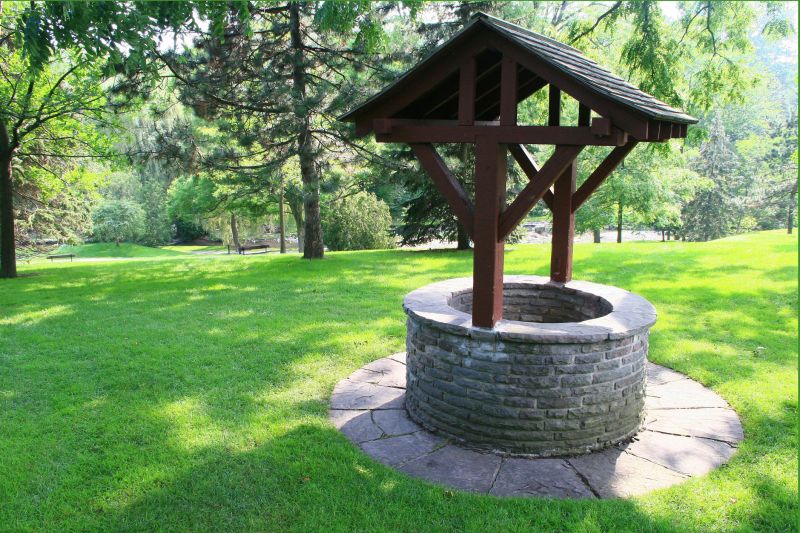
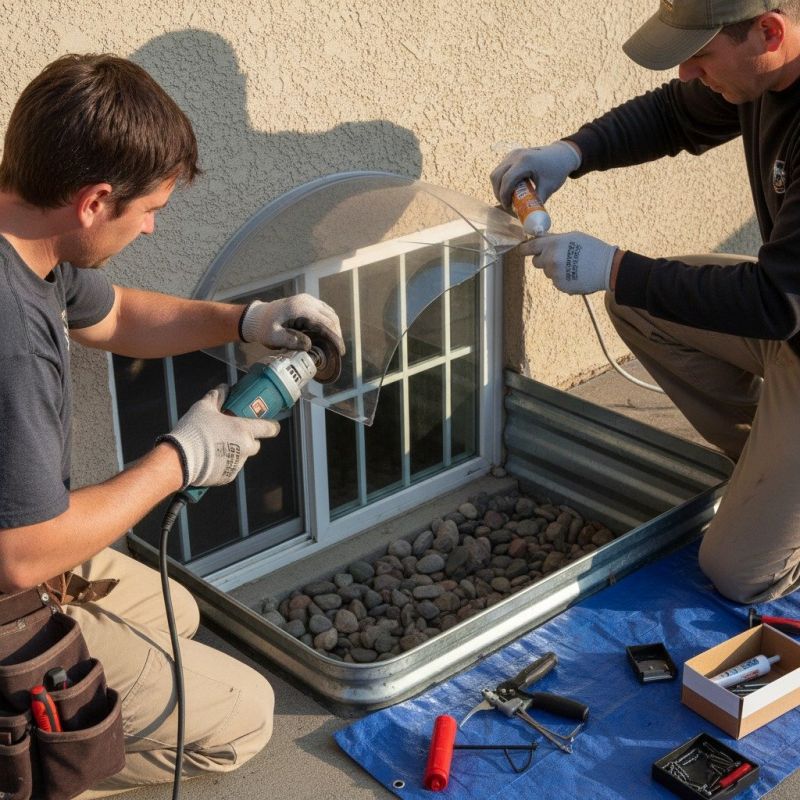
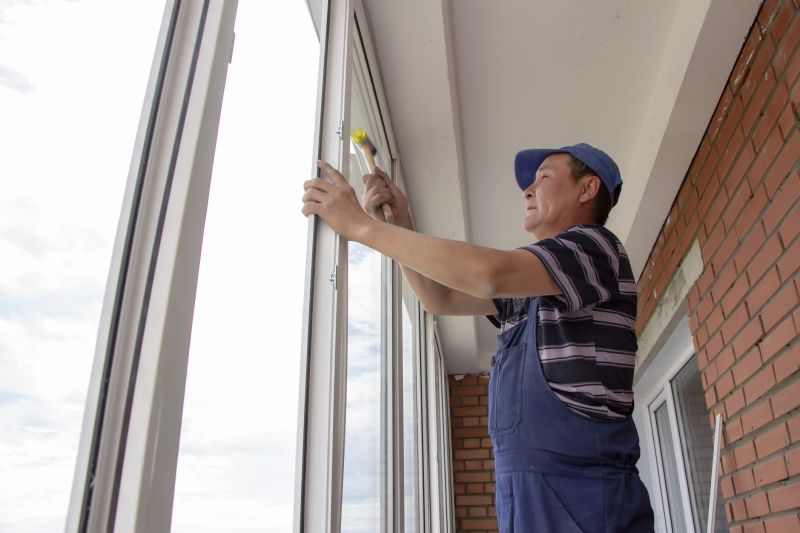
Well installation services involve the process of setting up a well system to provide a reliable source of water for a property. This typically includes drilling or digging the well, installing the necessary piping and pumps, and ensuring the entire system is properly connected and functional. The goal is to create a sustainable and efficient water supply that meets the needs of the property’s household or business. Well installation is an essential step for properties that do not have access to municipal water lines or prefer a private water source.
This service helps address common water supply problems such as low water pressure, inconsistent flow, or contaminated sources. For properties experiencing unreliable or limited water access, a properly installed well can provide a steady and safe water supply. Well installation also helps prevent issues related to groundwater contamination or surface water intrusion, which can compromise water quality. By working with experienced local contractors, property owners can ensure that their well system is designed to meet specific water demands and local geological conditions.
Well installation services are often used by rural homes, farms, and properties situated outside urban areas where municipal water is unavailable or impractical. They are also suitable for properties that seek independence from municipal systems or want to reduce long-term water costs. Additionally, some commercial properties, such as small businesses or agricultural operations, may require well systems to support their operations. These installations are tailored to the property’s size, water needs, and local groundwater conditions, making it a practical solution for a variety of property types.
Choosing to work with local service providers for well installation ensures access to experienced professionals familiar with regional geology and local regulations. These contractors handle everything from initial site assessment to drilling, piping, and pump installation. They can also advise on well depth, system capacity, and maintenance requirements. Property owners who need a dependable water source or are facing issues with their current supply may find well installation services to be an effective solution. Contact local contractors to explore options tailored to specific property needs.
The overview below groups typical Well Installation projects into broad ranges so you can see how smaller, mid-sized, and larger jobs often compare in your area.
In many markets, a large share of routine jobs stays in the lower and middle ranges, while only a smaller percentage of projects moves into the highest bands when the work is more complex or site conditions are harder than average.
Smaller Repairs - minor well repairs or maintenance typically cost between $250 and $600. Many routine jobs fall within this range, covering tasks like fixing leaks or replacing small sections of piping.
Standard Well Installation - installing a new well or replacing an existing one usually ranges from $3,000 to $7,000. Most projects in this category are straightforward and fall within the middle of this range.
Deep or Complex Projects - larger, more complex well installations can reach $10,000 or more, especially for deep wells or those requiring specialized equipment. Fewer projects push into this higher tier, but they are necessary for challenging sites.
Full System Replacement - replacing an entire well system, including pump and piping, generally costs between $5,000 and $15,000. These projects tend to be on the higher end due to the scope of work involved.
Actual totals will depend on details like access to the work area, the scope of the project, and the materials selected, so use these as general starting points rather than exact figures.
Drilling and Boring Projects - Local contractors experienced in drilling and boring share skills with well installation, including soil assessment and precision equipment handling.
Water Line Installation - Installing water lines requires planning and trenching similar to well system setup, making these projects related in scope and skill set.
Subsurface Utility Detection - Detecting underground utilities involves planning and the use of specialized tools, paralleling the site assessment process for well installation.
Pump System Installation - Setting up pumps for various applications involves understanding fluid dynamics and equipment placement, akin to installing well pumps.
Geothermal Loop Installation - Installing geothermal systems involves drilling and underground piping, sharing techniques used in well bore drilling and site prep.
Septic System Installation - Designing and installing septic systems involves excavation and soil analysis, which are also critical steps in well installation projects.

When comparing service providers for well installation, it’s important to consider their experience with similar projects. Homeowners should look for local contractors who have a proven track record of handling well installations comparable to their specific needs. An experienced professional will be familiar with common challenges and best practices, which can contribute to a smoother process and a reliable outcome. Asking about past projects or seeking references can provide insight into a contractor’s familiarity with well installation tasks similar to what’s required on the home site.
Clear, written expectations are essential when evaluating potential service providers. Homeowners should seek detailed estimates or proposals that outline the scope of work, materials to be used, and any specific responsibilities of the contractor. Having this information in writing helps prevent misunderstandings and ensures that both parties are aligned on what the project entails. Open communication about expectations can also make it easier to address questions or concerns early in the process, fostering a more transparent working relationship.
Reputable references and good communication are key factors in choosing a reliable local contractor. Homeowners should inquire about previous clients’ experiences to gauge the quality of work and professionalism. Additionally, a contractor’s responsiveness and willingness to answer questions can indicate their level of customer service and dedication to clear communication. While this site introduces homeowners to local options, it emphasizes the importance of selecting service providers who are known for their experience, transparency, and effective communication-traits that contribute to a successful well installation project.
Property owners use Well Installation services for practical projects around their homes and businesses. This guide focuses on everyday jobs and straightforward project options.
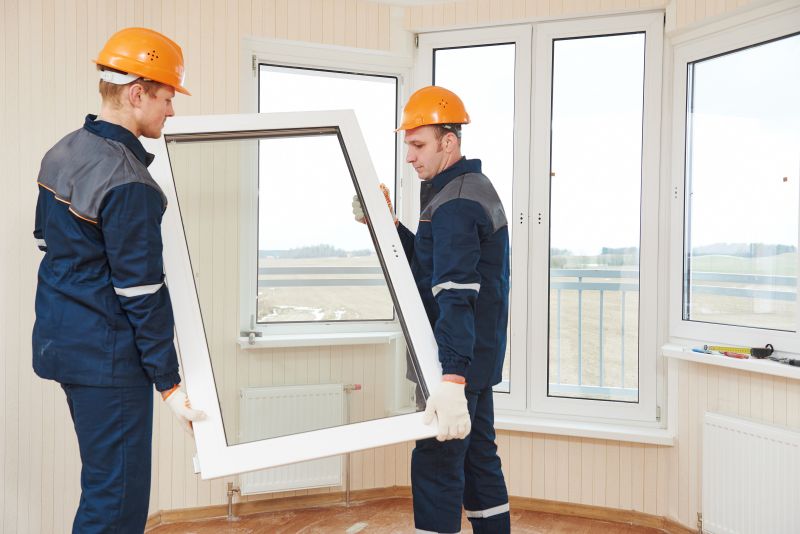

Well installation services are often needed when property owners are upgrading or replacing existing systems. Common situations include replacing outdated or malfunctioning wells, installing new wells for homes that lack a current water source, or expanding existing water systems to accommodate new structures or increased demand. Local contractors who specialize in well work can handle these projects efficiently, ensuring proper setup and functionality to meet the specific needs of each property.
Property owners might also seek well installation services after experiencing issues like inconsistent water flow or contamination concerns. In some cases, new construction projects require the addition of a well to provide reliable water access. Local service providers are equipped to assess the site, recommend suitable well solutions, and perform the installation work that helps maintain a steady and dependable water supply for residential or commercial properties.
What types of well installation services are available? Local contractors offer a range of well installation options including drilled wells, dug wells, and driven point wells to suit different property needs.
How do I know if a well installation is suitable for my property? Service providers can assess your property’s geology and water needs to determine the most appropriate well installation method.
What equipment is used during well installation? Well installation typically involves drilling rigs, casing, well screens, and pumps, which local contractors handle with specialized tools.
Are there any permits required for installing a well? Permit requirements vary by location; local service providers can advise on the necessary approvals for well installation in your area.
What maintenance is needed after a well is installed? Post-installation maintenance may include regular testing, pump servicing, and ensuring the well remains free from contamination, which local pros can assist with.
Well System Installation - Property owners can set up a new well to access a reliable water source for daily household needs.
Water Supply Expansion - Adding a well can increase water availability for irrigation or outdoor use on larger properties.
Emergency Water Access - Installing a well provides an alternative water source during municipal supply disruptions.
Water Quality Improvement - Well installation can help improve water quality by providing access to groundwater for filtration or treatment.
If you are thinking about Well Installation for a property, this guide is meant to help you understand the work, the typical project types, and how different options might fit your plans.
When you are ready, you can use the quote form on this page to share a few details about your project. From there, local pros can review the basics and respond with options that match what you have in mind.